
OEM / ODM
OEM & ODM, from product brief to delivery
AMIKYRN works with brands, importers and distributors to turn a product brief into a production-ready product plan, keeping specification, sampling, production and export in step. Shower heads lead the range; all six categories run through the same project process.
OEM or ODM: decide where the product starts
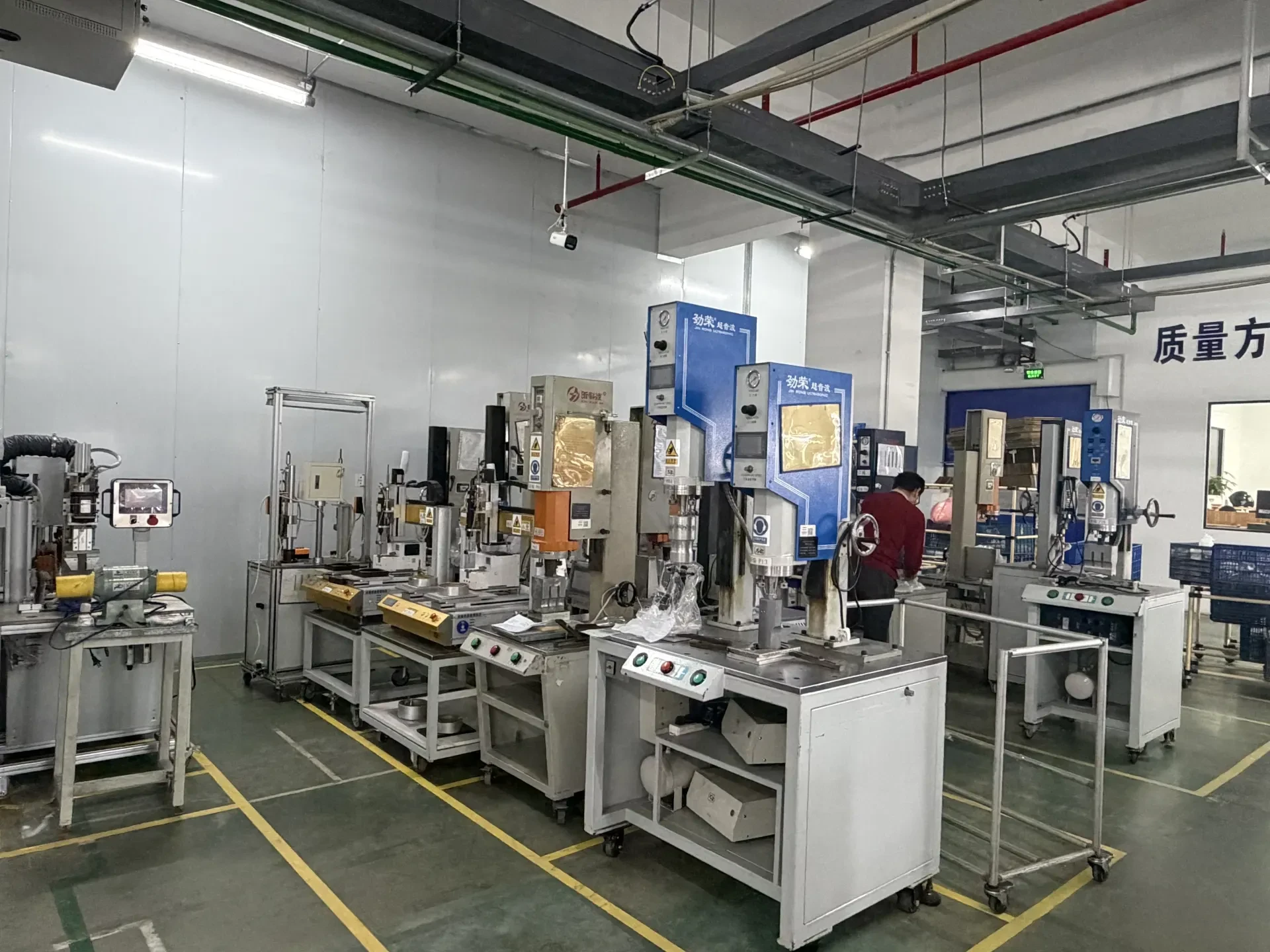
The difference between the two models is who defines the product. OEM starts from something you already know: drawings, a specification, or a sample to match. We review the file and confirm process and tooling conditions at our Xiamen showerhead factory or with the selected partner factory for other categories, then move into sampling, production and shipment. Our job is to hold the agreed specification and set out anything that needs adjusting during confirmation, so you can plan time and budget.
ODM starts from a market and a target price, adjusting appearance, color, configuration and packaging on an existing platform. What is realistic is confirmed per model and structure before sampling, and the platform itself sets the limits. For a first own-brand range this is often the simpler route, but it asks you to trade some differentiation against cost.
| OEM | ODM | |
|---|---|---|
| Starting point | Your drawings, specification or reference sample | An existing platform and a target price |
| You provide | Technical files, material and appearance requirements, packaging direction | Market, price point, desired features and brand direction |
| Our scope | Process review, sampling coordination, production and shipment follow-up | Platform selection, change assessment, configuration and packaging planning |
| Sample output | Approval samples built to your specification | Approval samples with adjusted finish and configuration |

Turning a purchasing brief into a workable product plan
A brief that can be quoted answers eight things: selling market, category, required functions, dimensions and interfaces, materials and finish, volume and timing, packaging direction, and the requirements of the target market. Missing items do not stop the project: we list the gaps as open items, close them with you, then move into quoting and sampling. The more complete the input, the fewer confirmation rounds and the faster the quote.
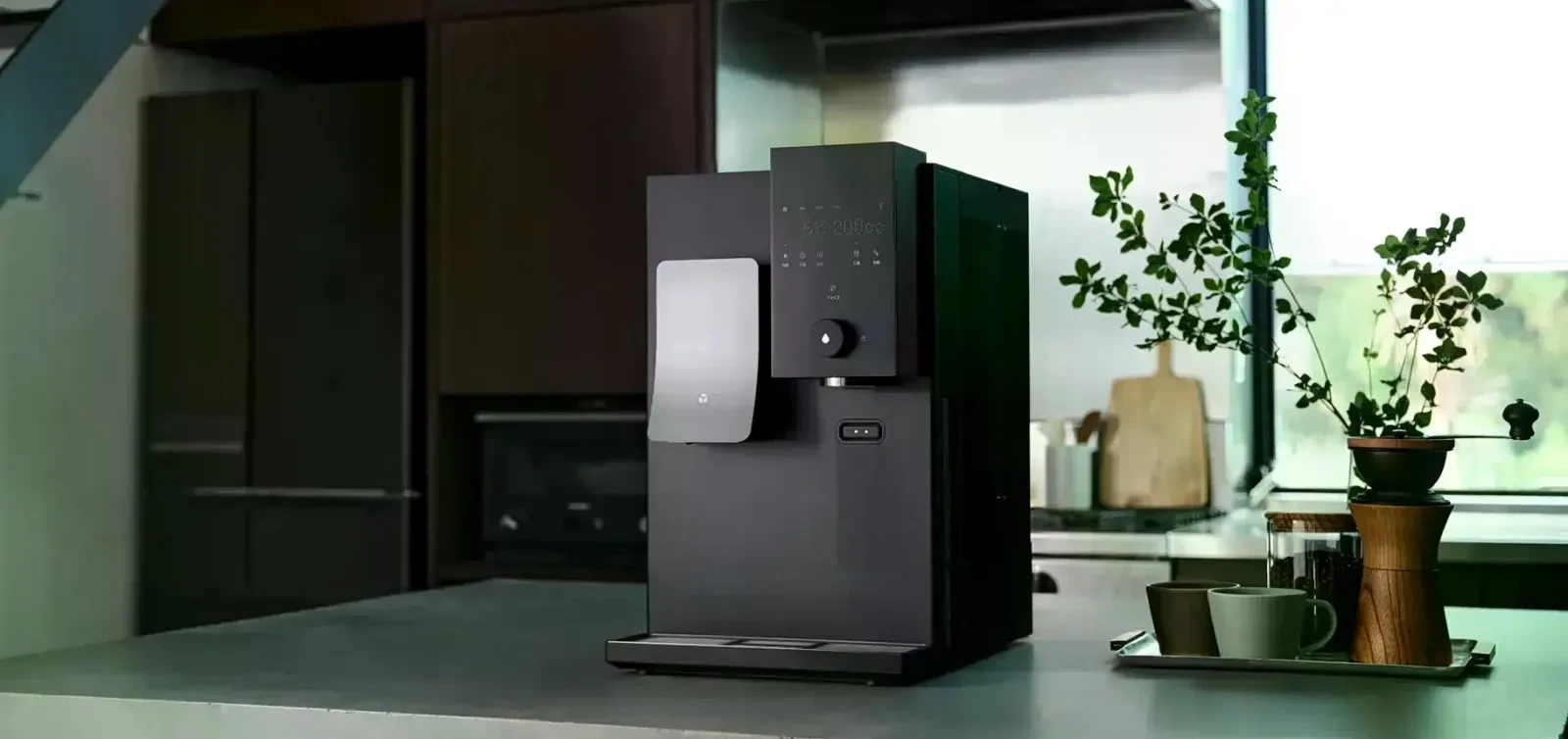
Take a shower head. Connection size, spray modes, faceplate and handle material, surface finish, and whether a hose and bracket are included all change structure, cost and packed volume. Electrical categories also need voltage, plug type and label language at this stage, because they determine internal configuration and export paperwork rather than being settled at the labeling step.
- Market and channel: retail, project or e-commerce, which shapes packaging and compliance priorities
- Category and model direction: an existing model, reference images or a new definition
- Feature priority: must-have, optional, acceptable to drop
- Dimensions and interfaces: installation conditions, connection specifications, product volume
- Materials and finish: use environment, cleaning method, appearance grade
- Volume and timing: first order, repeats and launch window
- Packaging direction: color box, manual, barcode and export carton
- Applicable requirements: testing, certification and marking for the market

Brand customization, assessed item by item
Customization is assessed item by item, model by model. Color and finish are usually the quickest to settle; logo placement depends on housing shape and material; configuration touches internal structure; packaging is shaped by product volume, shipping method and local labeling rules. We set out the feasible range for each model first, then confirm every item with you.
Every option closes with an approved sample. The approved sample and specification version record color, finish, logo method, configuration and packaging details, and later production and inspection work from that same reference, so both sides look at one document. The same words for a dark grey do not always describe the same color across batches and suppliers, which is why the physical sample and version number are used to align.
- Color and finish: a feasible range per model, confirmed with color and finish samples
- Logo and marking: placement, method and durability agreed together
- Configuration: spray modes, filtration and controls assessed against structure
- Packaging and manuals: color box, insert, manual and label language confirmed item by item
Sampling and approval: turning paper into something comparable
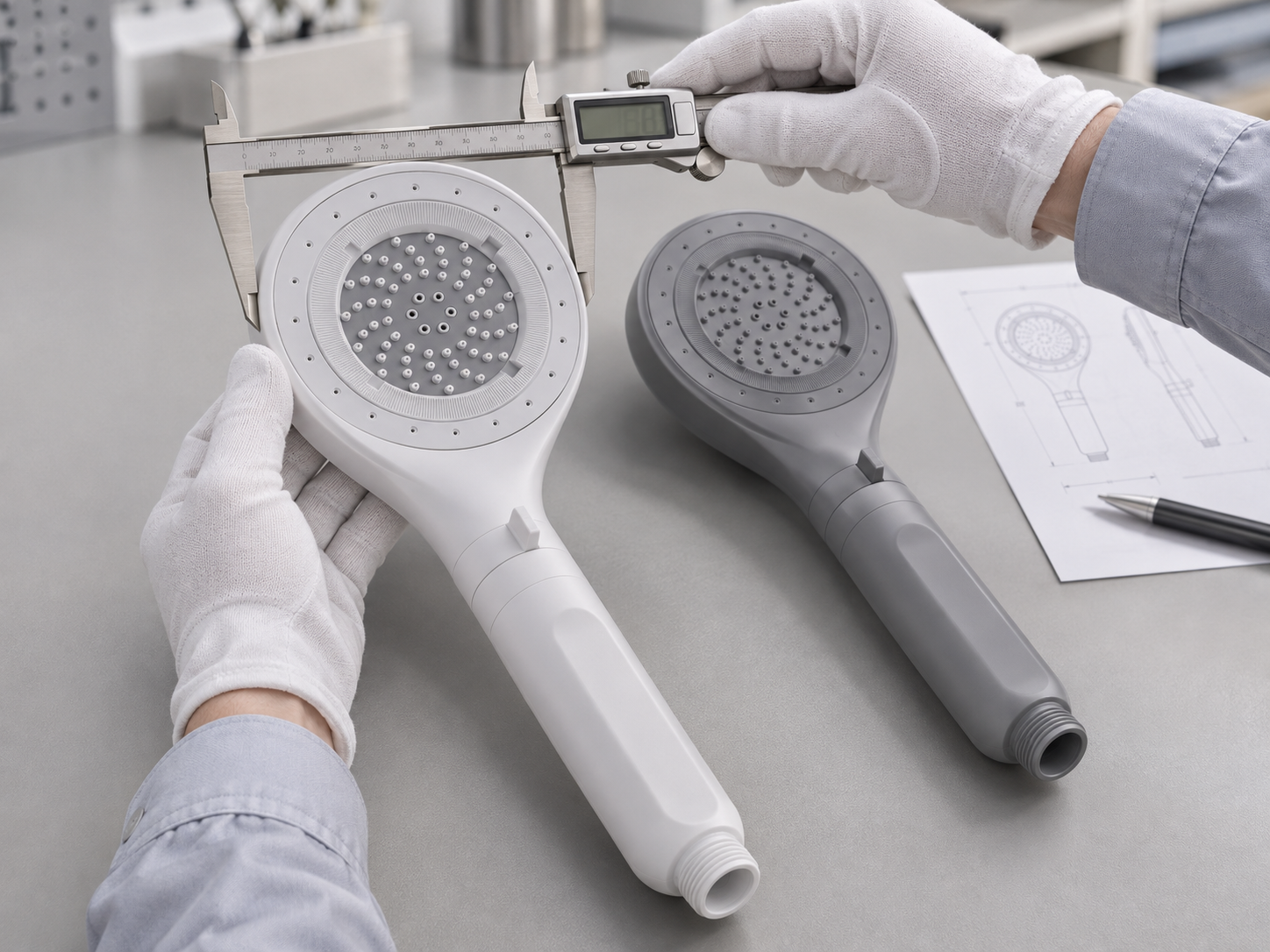
Sampling compares five groups: appearance, dimensions and interfaces, grip and handling, functional behavior, and packaging. A shower head is checked for faceplate flatness, even spray, switch feel and connection fit; electrical categories for button response, noise, temperature control and plug matching. Each item maps to a clause in the brief, and comments are collected under the same five headings so both sides can confirm them one by one.
While samples travel back and forth, each change records what changed, why, and which parts or documents are affected, and the approved sample and specification version are updated together. Production, inspection and shipment checks then work from the same version, with a written trail for later questions.
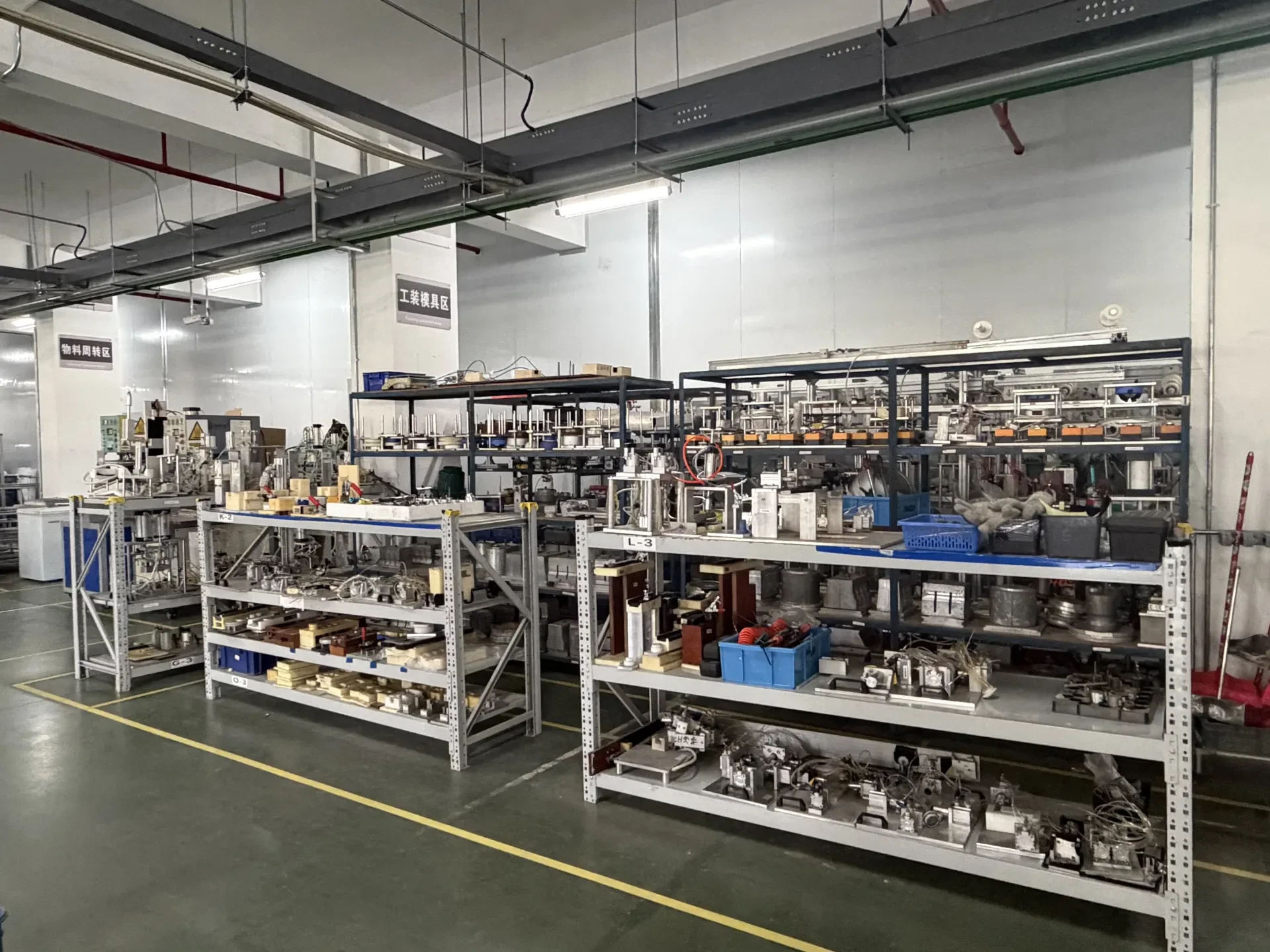
Production coordination: keeping specification, materials and schedule aligned
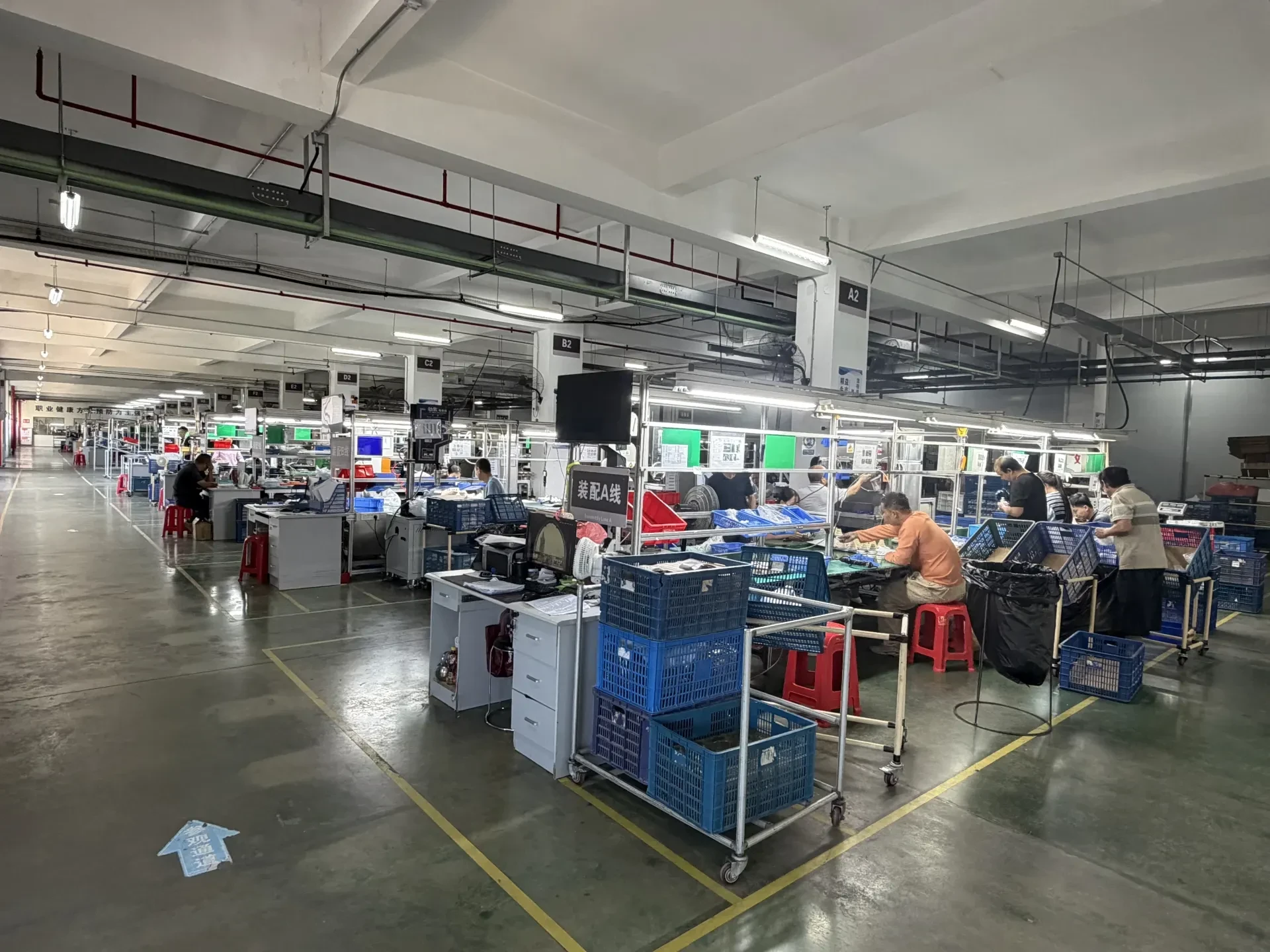
Showerheads are produced at our Xiamen factory; other categories run at long-term partner factories selected per category. Our work is to hold one line of information between the client and production: the confirmed specification and document version, critical materials and finishes, schedule milestones, and any deviation that appears during production. The factory side organises production; we coordinate project milestones, information updates and exception handling.
Progress is reported at milestones: materials in place, line start, key processes complete, packing and shipment readiness. When something deviates, the first step is to state the affected scope, then offer options such as resequencing batches, substituting an equivalent material or reworking a part. Changes that touch appearance or function go back through sample and specification approval instead of being decided on the line.
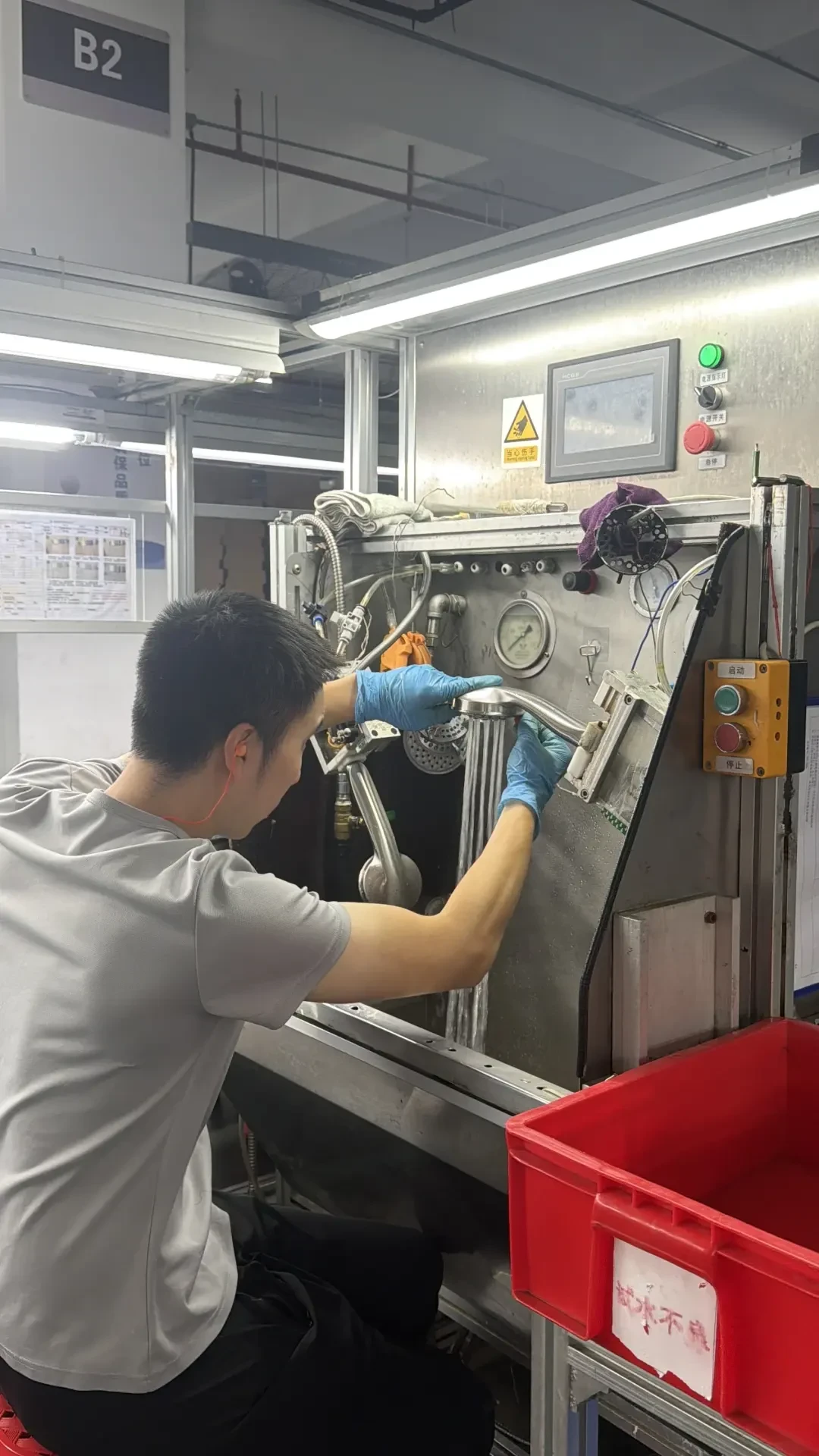
Quality checks and documents: verified at agreed points
Inspection items and acceptance criteria are set during sampling and written into the project requirements, not debated before shipment. Routine checks cover quantity, appearance, function and packaging marks. Appearance is judged against the approved and limit samples, function is tested item by item against the brief, and packaging is checked for carton marks, barcodes and language versions.
When something is found, the affected batch is separated first, then the question is whether it is isolated or systematic, followed by rework, sorting or remaking with the matching records. Testing and certification needs are confirmed item by item for the product and target market at the start of the project. A certificate held for one model does not automatically extend to a new model or a new market.
- Incoming and critical parts: checked against the items listed for the project
- In-process and pre-shipment: quantity, appearance, function, packaging marks
- Exception handling: isolate, judge, rework or remake, with records
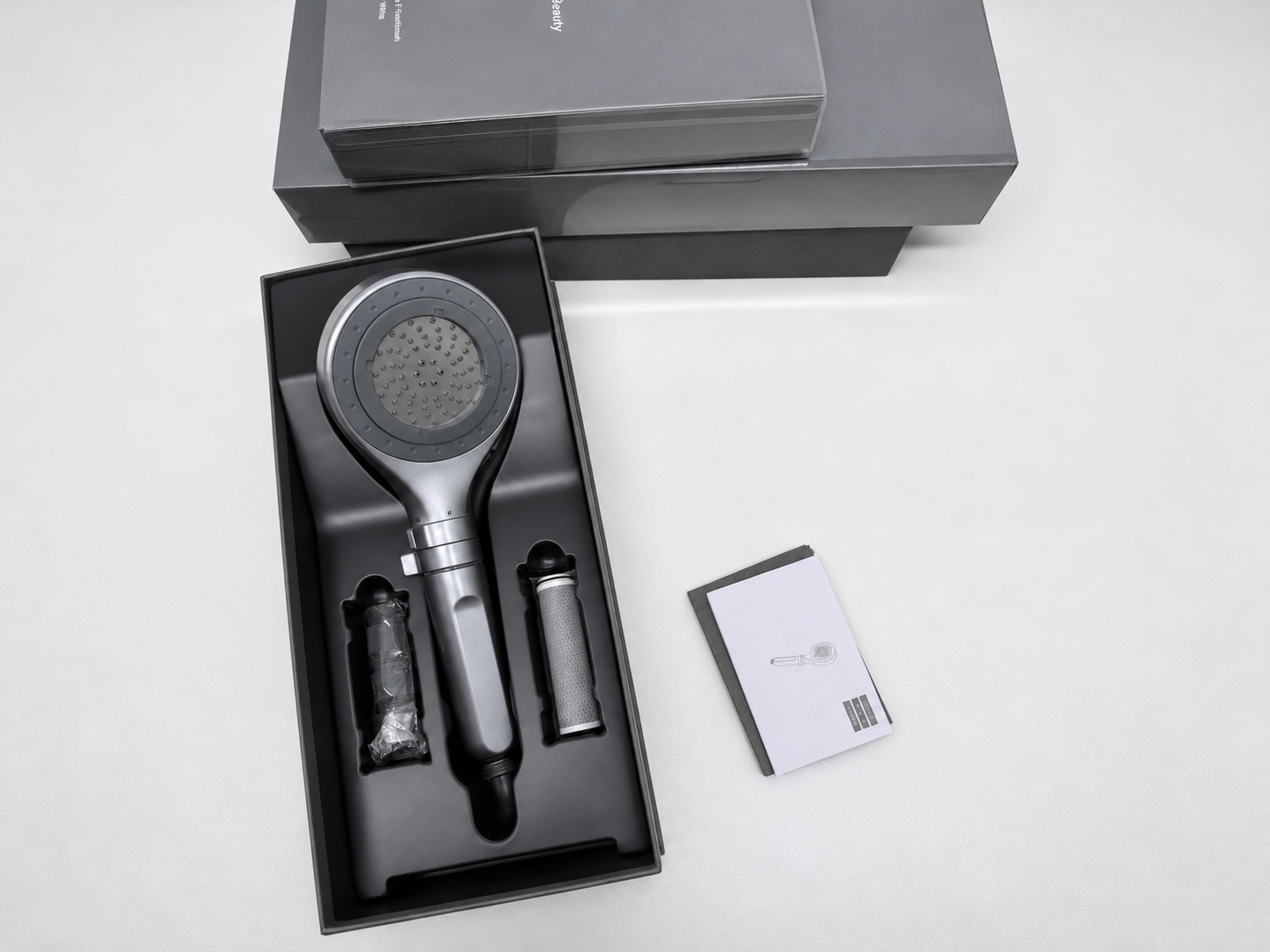
Packaging, marking and export delivery
Packaging direction is set early because it drives cost, transport and compliance at the same time. Color box structure and print, inner protection, manual language, product label, barcode and carton marks are confirmed together. Cartons also need stacking strength, units per carton and handling at the destination port. A late change to any of these can waste tooling, print plates or already printed material.
Before shipment, documents and goods are aligned: packing list, invoice, carton marks and unit counts match, sample cartons are opened to check product and accessories, label language is confirmed against the destination, and logistics is handed over under the agreed shipping method. The export document list is agreed at project start and updated if the shipping method changes, so missing paperwork does not surface at the port.
The six-step project route: what gets confirmed at each step
The sequence is straightforward, and each step has defined items to confirm. The six steps below run in order, and each lists what both sides need to settle. The order can adapt to a project, and the results are recorded in the project file so both sides can check them at any time.
- 01
Requirement discussion
- Client confirms
- Confirm: market, category, feature priority, volume range, target timing
- We follow
- We return: a workable product path and the information still needed
- 02
Proposal and quote
- Client confirms
- Confirm: specification direction, customization scope, packaging direction, trade terms
- We follow
- We issue: the proposal, quote basis and an open-items list
- 03
Sample approval
- Client confirms
- Confirm: appearance, dimensions and interfaces, handling, function, packaging sample
- We follow
- We provide: approved samples, specification version and change log
- 04
Production coordination
- Client confirms
- Confirm: order quantity, delivery milestones, final label and packaging artwork
- We follow
- We follow: materials, line start, key processes and exceptions
- 05
Pre-shipment check
- Client confirms
- Confirm: inspection items, sampling approach and release criteria
- We follow
- We provide: check results, exception records and shipping documents
- 06
Delivery
- Client confirms
- Confirm: consignee details, shipping method and arrival arrangements
- We follow
- We hand over: export documents, logistics status and follow-up
Frequently asked questions
We already have drawings. Can we still work with you?
Yes, that is the OEM path. Send the drawing or specification, critical dimensions and tolerances, material and finish requirements, and the target market. We review process feasibility with our Xiamen showerhead factory or the partner factory for the relevant category, point out what needs clarifying, then arrange sampling. A more complete drawing usually means fewer confirmation rounds.
We want to start with ODM. What is the first step?
Start with the market, target price, desired feature range and brand direction, plus any reference products. We shortlist close platforms, explain which changes are feasible and which affect structure or tooling, then move into finish and configuration confirmation.
How is the minimum order quantity decided?
It follows the model, tooling and fixtures, material purchase lots and the printing method for packaging, so it is assessed per project rather than published as one number for the site. More customization and more specific materials usually raise it. The proposal stage states the quantity basis for that model.
How are samples charged and approved?
Sample cost is confirmed by model, customization and quantity, and some projects settle it against a bulk order as agreed. After the sample arrives, check appearance, dimensions and interfaces, handling and function against the brief and send consolidated comments. Once approved, we update the specification version used for production.
How are testing and certification for our market handled?
At project start we list the tests, certifications and marking rules your market requires, and both sides confirm who submits samples, which sample and which documents are used. Whether an existing certificate covers a new model or market is checked against its actual scope rather than assumed. Costs and timing are stated with the proposal.
What should we send with an inquiry?
The category and reference images, target market, expected volume and launch timing, the customization you need (color, logo, configuration, packaging), and any testing or certification requirements for the market. Include drawings, specifications or sample photos if you have them; anything missing goes on our reply list.
Start with a clear project brief
Tell us the product, target market, expected volume and the customization you need. We will reply with a workable path, the information still required and the next step. You can also write to admin@amikyrn.com.
Email us · admin@amikyrn.com